
















Every January, the resolutions roll in. Exercise more. Eat better. Finally learn that language you’ve been putting off. But when’s the last time you made a resolution for your business?
If your office is still running on outdated processes—manual post office trips, guessing at postage rates, no visibility into what’s actually shipping—2026 might be the year to change that. Like personal habits, business inefficiencies have a way of sticking around until you deliberately decide to fix them.
For law firms, accounting practices, and other professional services businesses, outgoing mail isn’t going away. Tax filings that require wet signatures. Court documents with strict deadlines. Client invoices, insurance policies, and sensitive healthcare notices. The work still needs to be done—the question is whether it will consume your week.
If you want to streamline office mail in 2026, the answer isn’t working harder—it’s working smarter. Here are five approaches that actually move the needle.
The average post office visit takes approximately 20 minutes, including travel, parking, and waiting in line. Multiply that by a few visits per week, and you’re looking at hours of lost productivity every month.
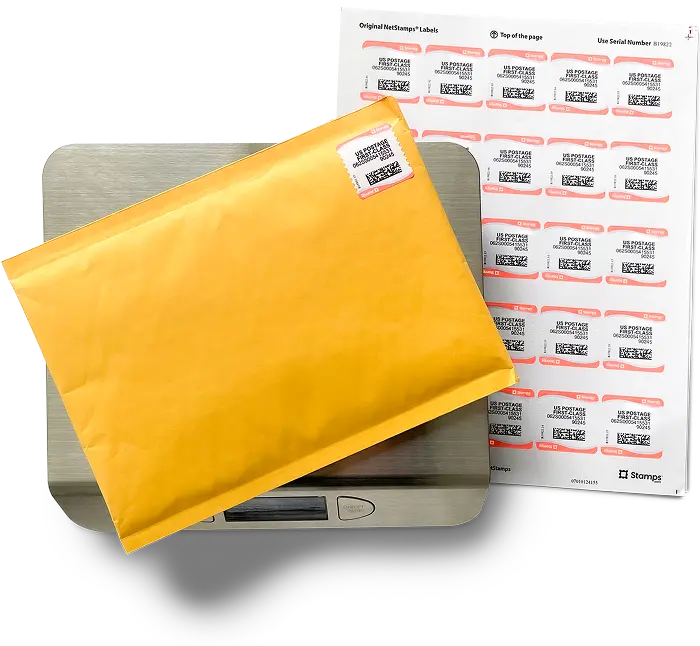
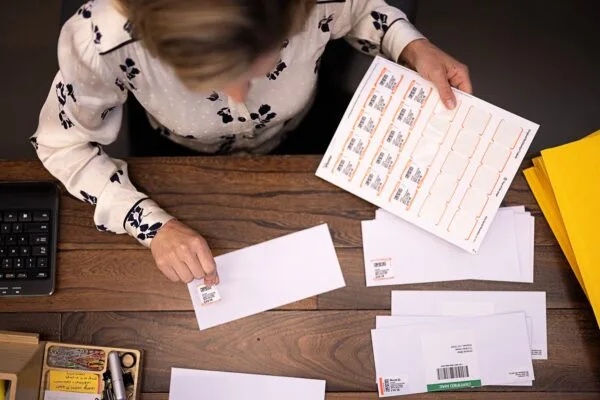
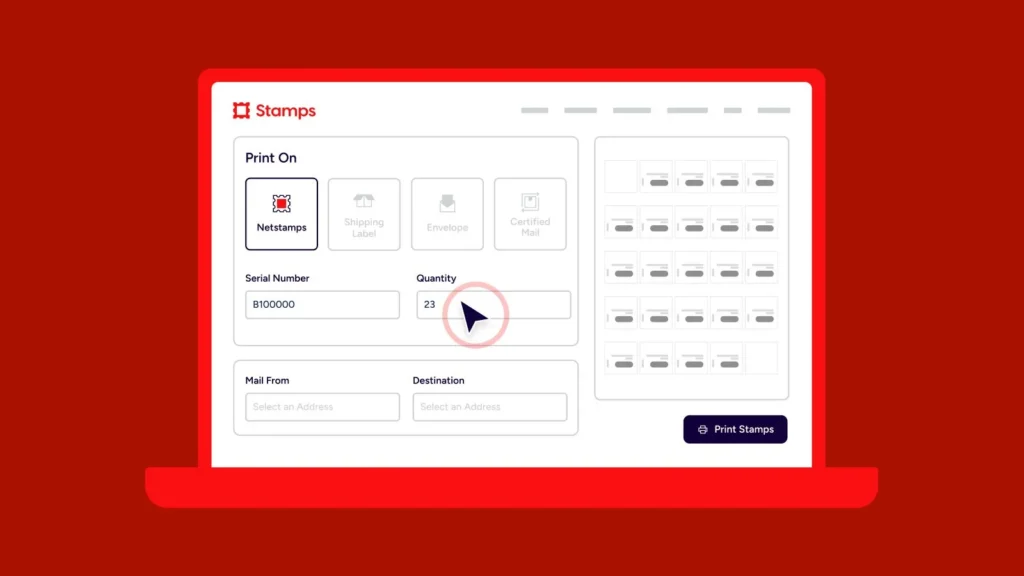
The fix is straightforward: bring the mailing capabilities in-house. With online postage solutions, your team can print exact postage—for letters, flats, and packages—right from their desks. No driving, no waiting, no interrupting client work.
This shift alone has helped many small businesses reclaim significant time for client-focused work. For professional services firms that bill by the hour, recovered time translates directly to revenue.
Here’s an uncomfortable truth: most offices overspend on postage because they don’t have the tools to calculate exact rates. That “better safe than sorry” approach to adding extra stamps adds up quickly, especially when postage rates climb annually.
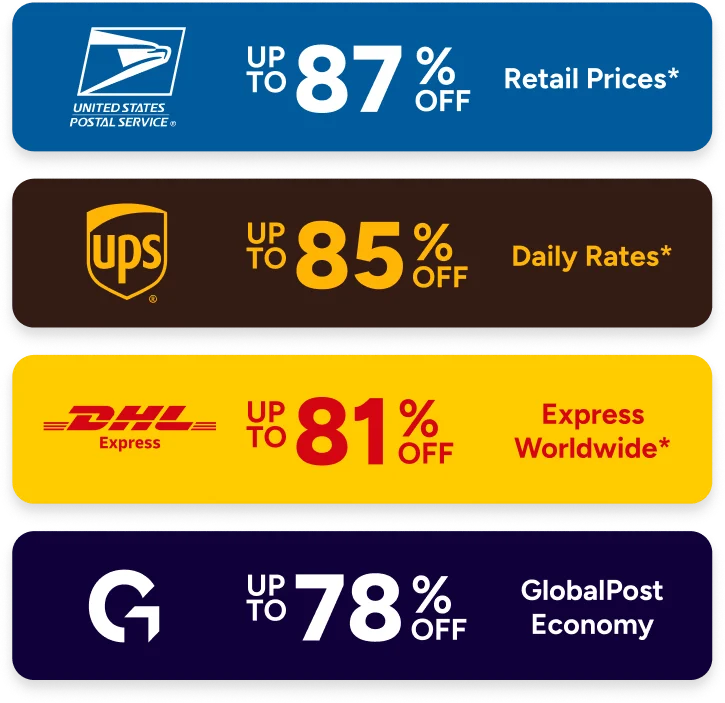
To truly streamline office mail, you need accurate cost calculations. Modern mailing tools automatically weigh items, determine dimensions, and apply the correct postage down to the ounce. Some platforms even compare rates across carriers to find the most cost-effective option.
USPS continues to offer competitive rates for First-Class Mail and Certified Mail—services many professional offices rely on—but only if you’re paying the correct amount in the first place.
Returned mail costs more than just the wasted postage. There’s the time spent reprocessing, the potential compliance issues that arise when deadlines pass, and the damage to client relationships when important documents fail to arrive.
Address verification technology catches errors before they happen. Misspelled street names, outdated ZIP codes, incomplete apartment numbers—these get flagged and corrected automatically. For law firms dealing with court filing deadlines or accounting firms sending time-sensitive tax documents, this isn’t a nice-to-have. It’s essential.
Building address verification into your mailing workflow prevents problems at the source rather than scrambling to fix them after the fact.
“Did that package go out?” It’s a simple question that shouldn’t require a 10-minute investigation. Yet in offices without centralized mailing systems, no one has a clear answer.
When you streamline office mail effectively, you gain visibility into everything that ships: who sent it, when it went out, and whether or not it arrived. For professional services businesses, this documentation matters—for client billing, regulatory compliance, or simply answering questions without digging through stacks of receipts.
Centralized tracking also helps multi-location businesses maintain consistency across locations. Instead of each office operating independently with its own processes, everyone works from the same system.
The old model of mailing—walking documents to the mailroom and waiting for someone else to process them—doesn’t work when your team is distributed or working flexible hours. People need to be able to handle outgoing mail when they’re ready, not when someone else’s schedule allows.
Desktop and mobile mailing tools enable any authorized team member to print postage, create labels, and schedule pickups from anywhere they work. The paralegal finishing up a filing at 7 PM can get it shipped without waiting until morning. The accountant working remotely during tax season isn’t tied to office hours.
This flexibility to streamline office mail on your own schedule is more important than ever, as workplace norms continue to evolve.
Professional services businesses can’t escape the need for physical mail—but they can absolutely escape the inefficiencies that make it painful. The offices that streamline office mail in 2026 will save time, reduce costs, and free their teams to focus on higher-value work.
None of these changes requires a massive technology overhaul. They’re practical improvements that pay for themselves quickly. And in a year when every professional services firm is looking for ways to do more with less, that’s precisely the kind of advantage worth pursuing.
Ready to see how much time your office could save? Start a free trial and print your first postage in minutes—no special equipment required.