

















When you drop a package in the mail with that red, white, and blue USPS Priority Mail label, you expect it to arrive fast—but how fast, exactly? The U.S. Postal Service advertises 1-3 business days for delivery, but the reality can vary depending on several factors. Whether you’re a small business shipping a package or just sending a care package, understanding how long Priority Mail really takes can help you plan (and manage expectations).
According to USPS, Priority Mail is designed to deliver within 1-3 business days to most domestic destinations. Delivery speed depends primarily on how far your package needs to travel—measured in “zones.” The USPS system divides the U.S. into nine zones, and the farther your package travels, the higher the zone number.
Here’s a general breakdown:
These are estimates—not guarantees. Priority Mail is not a guaranteed service, meaning USPS does not refund postage if your package arrives late.
It’s important to remember that USPS counts business days only. If you ship a package on a Friday, “two-day delivery” means it should arrive Tuesday (since the weekend doesn’t count).
Delivery time also starts after the package is accepted by USPS. If you create a shipping label but don’t drop off the package until later, the delivery window starts from the moment USPS scans it into their system—not when you print the label.
And while USPS does deliver on Saturdays for Priority Mail (a nice perk), Sundays are typically excluded unless you’re using Priority Mail Express, which offers overnight or two-day guaranteed delivery.
In most cases, USPS Priority Mail performs quite well. Major cities and regional hubs often see delivery within 1-2 days, even for cross-country shipments. But occasional delays happen, especially during peak seasons when mail volume surges dramatically, like the winter holidays (U.S.shipping deadlines).
Common reasons for delays include:
If you’re shipping time-sensitive items, adding tracking notifications or using USPS Connect Local or Express options can provide extra peace of mind.
Every USPS Priority Mail shipment includes free tracking, so you can monitor progress online or in the USPS app. Tracking updates typically include:
Occasionally, tracking updates can lag behind real-time movement, so don’t panic if your package doesn’t seem to move for a day. Often, it’s still working its way through the network even if the next scan hasn’t been posted yet.
Priority Mail hits a sweet spot for many shippers: faster than First-Class Mail, cheaper than Priority Mail Express. It’s ideal for packages weighing over 13 ounces up to 70 pounds, with free insurance (up to $100 for commercial shipments, $50 for retail).
If you’re sending something highly time-sensitive—like legal documents or perishable goods—Priority Mail Express might be worth the upgrade. It’s guaranteed overnight to most urban ZIP codes and two-day elsewhere, with a money-back guarantee if it’s late.
In practice, most USPS Priority Mail shipments arrive within 2-3 business days, just as promised. But “1-3 days” isn’t a guarantee—it’s a target based on normal conditions.
To make the most of the service:
Priority Mail remains one of the most affordable and reliable ways to send packages quickly across the U.S. Just remember—while USPS moves millions of parcels efficiently every day, even the “priority” line can get a little backed up now and then.
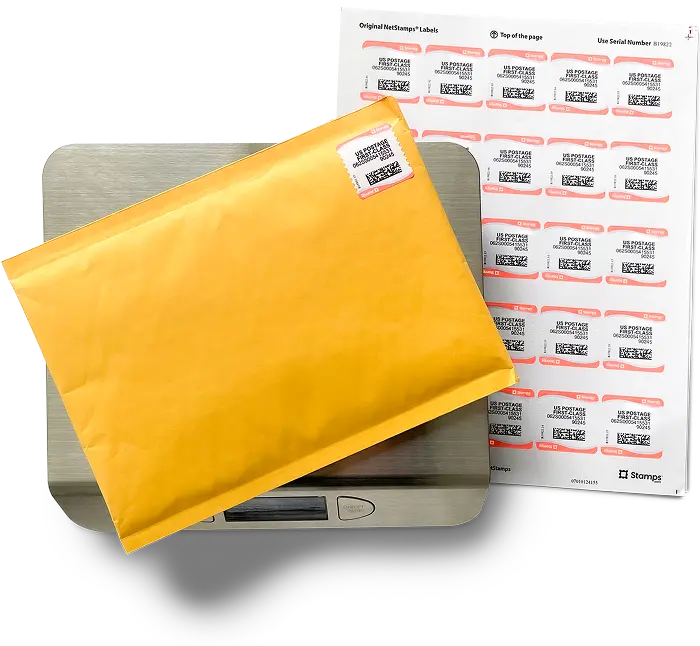
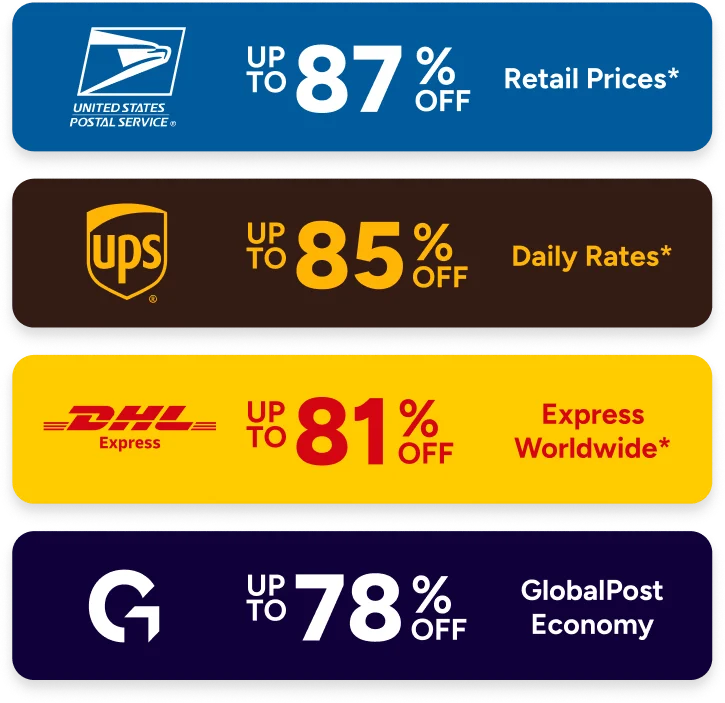
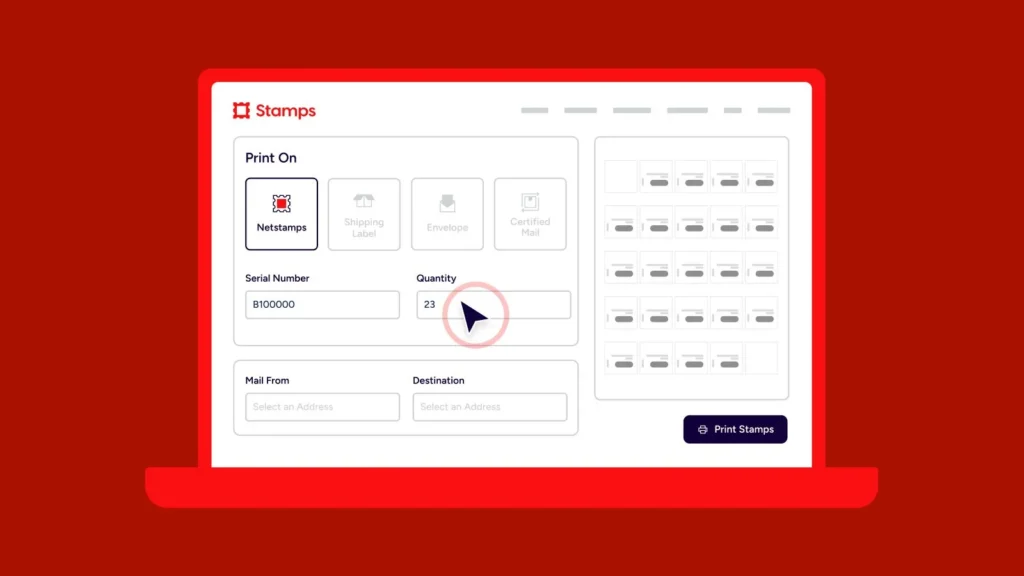
To make shipping with USPS Priority Mail more convenient, Stamps.com’s mailing and shipping solution lets you easily buy and print stamps, USPS shipping labels online and schedule free pickups in minutes. Stamps.com also helps you save money with discounts on USPS Priority Mail and other carrier rates.