
















Physicians spend an average of 15 hours per week on administrative tasks—nearly two full workdays, every week, that aren’t spent with patients.
Most practice administrators know this number. They also know that reducing it isn’t simple. Insurance paperwork, prior authorization, documentation requirements, and compliance reporting don’t have easy exits. But some parts of the administrative burden do.
Mailing is one of them.
Walk through the outgoing mail for a typical medical or specialty practice in any given week: appointment confirmation letters, lab result notices, billing statements, explanation of benefits, referral packets, HIPAA privacy notices, and compliance mailings required by law or contract.
None of that mail is optional. And all of it carries professional and legal weight. Patient information, even a mailing address on an envelope, falls under HIPAA’s handling requirements for protected health information.
Getting mail out the door in a healthcare practice isn’t a back-office afterthought. It’s a compliance function that’s frequently treated like one.
The consequences of a mailing error in healthcare aren’t just operational—they’re regulatory. A mis-addressed mailing containing PHI can constitute a HIPAA breach. Two print vendors discovered this firsthand when they mis-addressed 1,600 explanation of benefits letters and paid $130,000 to settle the resulting complaint.
For a small or independent practice, an incident of that scale isn’t just a financial hit. It’s a reputation event at the wrong time, with the wrong audience.
Mailing time-sensitive documents with confidence matters in healthcare not just for speed, but for documentation. When a patient claims they never received a balance-due notice, or when a compliance audit asks what was sent and when, the proof needs to exist somewhere searchable—not in a stack of yellow postal receipts.
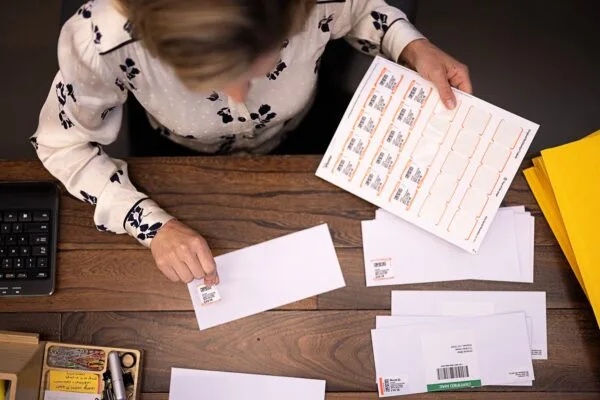
In most practices, mailing falls to whoever has a free moment: a medical assistant, a front desk coordinator, a billing specialist. That means someone with clinical or patient-facing responsibilities is pulling their attention away to manage envelopes and post office logistics.
The scale of what’s possible becomes clear when you look at what healthcare organizations accomplish once they fix the process. Midwest Vision Partners (MVP), which provides non-medical support services to optometrists and ophthalmologists across 84 Midwest locations, consolidated all mailing and shipping under Stamps.com and saved $300,000 in gross annual savings—eliminating dozens of vendor accounts, postage meter leases, and the 50+ monthly invoices that came with them.
I feel like I have an actual relationship with Stamps.com. I know I can always get a response in 24 hours. With others, I always felt like just another customer.
Adriana Hurtado, Procurement Manager, Midwest Vision Partners
That responsiveness matters when clinical operations depend on mail going out reliably. When one of MVP’s locations needed urgent onboarding, equipment shipped Friday and was operational Tuesday.
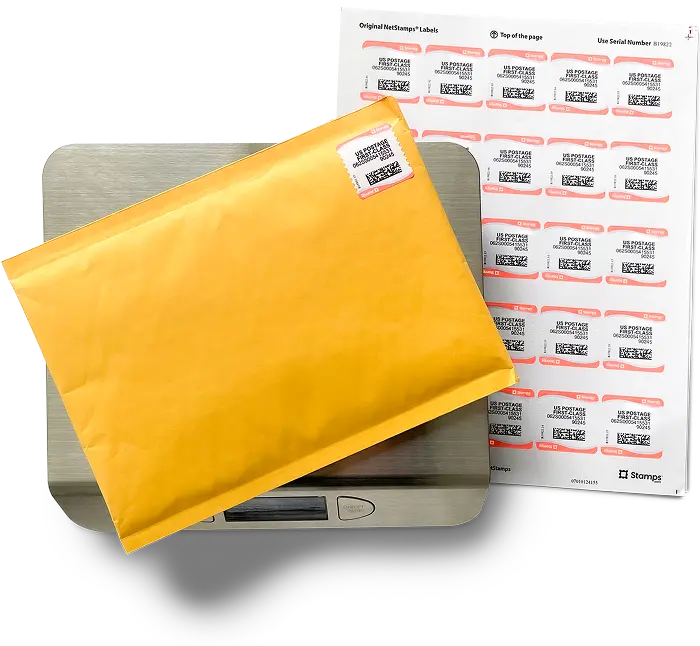
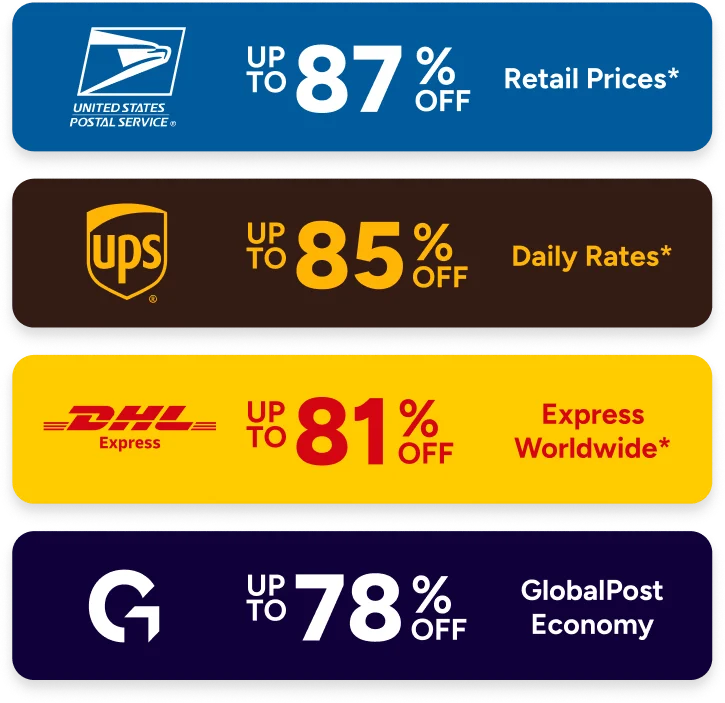
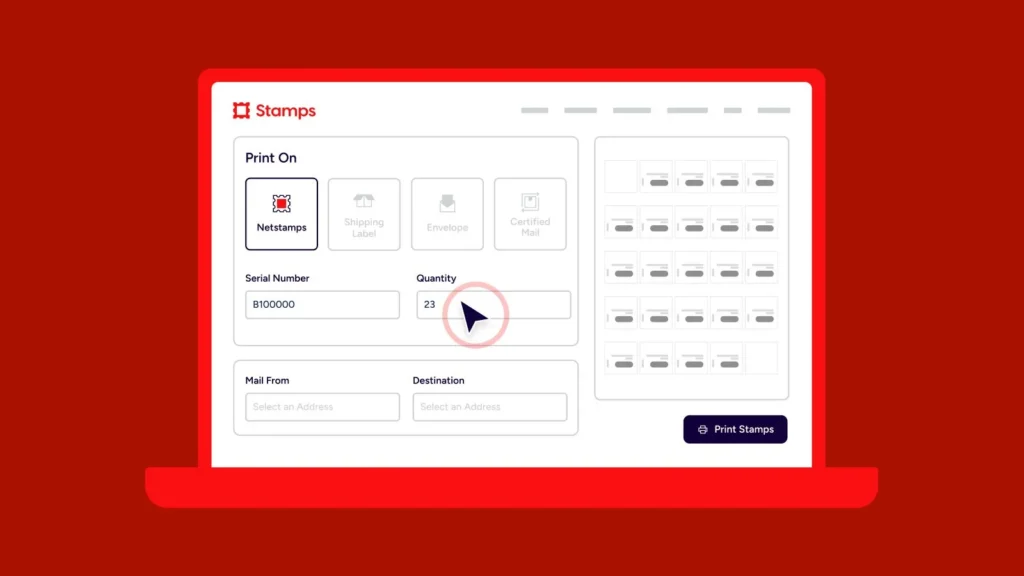
A healthcare practice mailing workflow built around Stamps.com is straightforward: staff prints postage from their desk, Certified Mail® forms generate in seconds, and delivery confirmation arrives electronically and stays searchable. Scheduled carrier pickups mean mail leaves without anyone leaving. Discounted USPS and UPS rates mean you’re not paying retail on high-frequency compliance mailings.
And because every outgoing piece is tracked and documented, you have an auditable record—not a filing cabinet of paper receipts.
For practices still relying on manual processes, the cost of “good enough” is worth examining. In a regulated environment, process gaps tend to surface at inconvenient moments.
Healthcare practices aren’t short on things to manage: patient care, credentialing, billing, staffing, compliance. The operational surface area is wide. Mailing shouldn’t require a trip to the post office, a separate tracking system, or a staff member diverted from patient-facing work.
When your practice’s mailing runs from a desk—with certified tracking built in and delivery proof stored automatically—it becomes the kind of task that simply gets done. That’s the goal: not improving a chore, but removing it from the list of things that can go wrong.
Modernizing your mailing process doesn’t add to your workload—it removes something from it. Your team gains time. Your outgoing mail gets a searchable, auditable record. And one more administrative function becomes something your practice doesn’t have to think about.
Start mailing smarter with Stamps.com.