


















You didn’t sign up to be the mail department. But somewhere along the way, mailing, shipping, and post office runs landed on your desk anyway—on top of everything else you already do.
Stamps.com surveyed 500 professional services workers across law, accounting, real estate, and healthcare offices to understand how mailing fits into the workweek. That group included 75 administrative assistants and receptionists. The data says something worth hearing: you’re not managing this better than anyone else in your office. You’re just the one who’s expected to.
Mailing is supposed to be the part of the job that’s simple—the part that doesn’t require judgment calls, just follow-through. But the documents moving through your hands aren’t low-stakes. Nearly half of administrative assistants and receptionists surveyed—47%—send time-sensitive documents with regulatory or legal deadlines daily or several times a week. That’s the second-highest rate of any role in the survey, behind only legal professionals themselves.
Not sure where mailing fits into your broader admin picture? This quiz is a good place to start.
It’s also well above the rate reported by the owners and partners who set those deadlines in the first place. Only 29% of owners and partners surveyed handle deadline-driven mail that often. The deadline belongs to the business. The exposure belongs to whoever’s walking it to the mailbox—and that’s usually you.
Who sends deadline-driven mail daily or several times a week
You're not just licking envelopes. You're the last checkpoint before something with a real deadline leaves the building.
You'd think handling the mail as your actual job would mean you've streamlined it—found the shortcuts, built the system. For most administrative assistants and receptionists, that's not what the data shows. Nearly 3 in 10 spend five or more hours a week on mailing-related admin: printing, packaging, tracking, and the trip itself.
66.7%
of administrative assistants and receptionists say delivery tracking is very or extremely important to their business.
53.3%
still make at least one mailing trip every week to get that answer.
Doing something a thousand times doesn't make it fast if the process itself was never built for speed. Manual postage math and a trip to the post office take the same amount of time on week 500 as they did on week one. Good-enough workflows cost more than you think—the process is the bottleneck, not you.
The near-misses nobody asks you about
When a deadline gets tight, you're usually the one who feels it first and says the least about it. Across administrative assistants and receptionists surveyed, 69.3% have experienced—or narrowly avoided—stress or risk from a mailing delay affecting a deadline. For 8%, it went further than a close call: a missed deadline, a penalty, or a client issue.
69.3%
of administrative assistants and receptionists have experienced or narrowly avoided stress from a mailing delay affecting a deadline.
8%
say it caused a real problem—a missed deadline, a penalty, or a client issue.
Those numbers track almost exactly with the survey's overall average. The stress isn't concentrated at the top, with the owners and partners whose names are on the door. It runs through the person walking the envelope out the door, too. And when something does go wrong, the mistake rarely gets traced back to the process that caused it.
You already know tracking matters. The process just doesn't back you up.
Nearly two-thirds of administrative assistants and receptionists—66.7%—say delivery tracking or proof of delivery is very or extremely important to their business. That's not a surprising number. You're the one who fields the "did that go out yet?" question. You're the one who has to answer it.
The trouble is that a stamp and a trip to the post office don't produce documentation. A tracking number does. Certified Mail gives you a tracking number, a delivery timestamp, and proof of arrival the moment something leaves your hands. "Did that go out yet?" gets an answer before anyone has to ask twice.
More than half of administrative assistants and receptionists surveyed—53.3%—still make at least one weekly mail trip to get that answer. It doesn't have to be a trip at all.
None of this is about doing your job faster so you can take on more of it. It's about a process that's been quietly absorbed into your day without anyone asking whether it's working. The data suggests it isn't, not really.
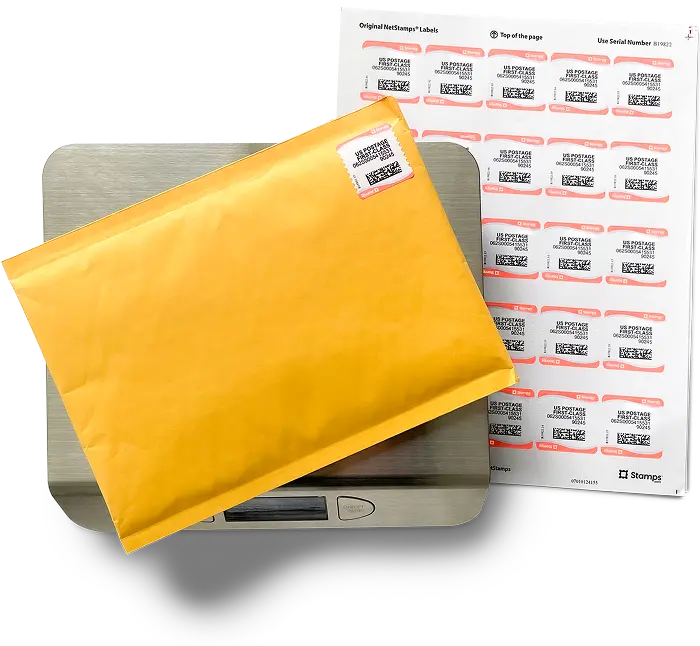
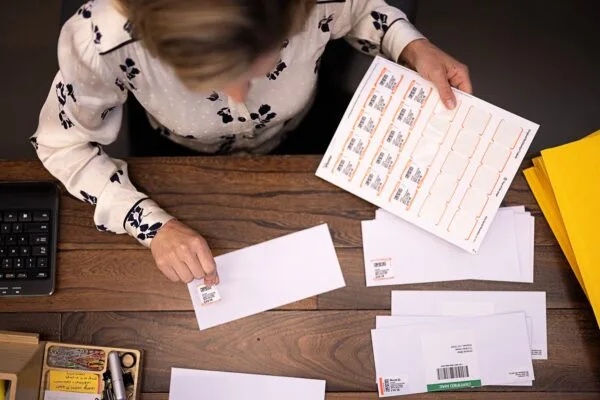
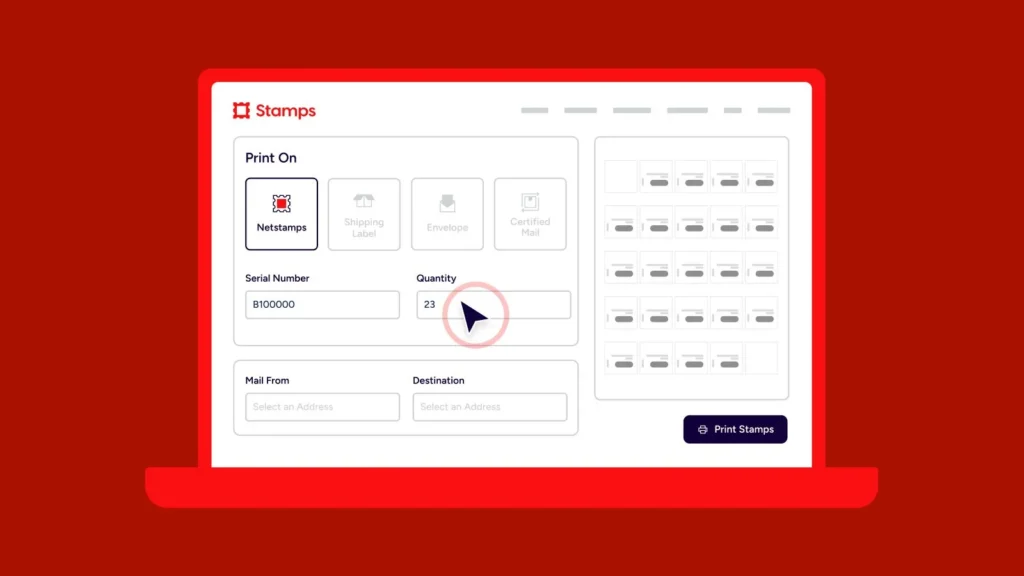
With Stamps.com, you can print postage and labels from your desk, so there's no more guessing at rates or overpaying for postage. You can schedule a carrier pickup instead of making the trip yourself, and send Certified Mail with tracking built in automatically. If you handle mail across multiple attorneys, partners, or client accounts, cost codes let you tag postage by client or matter. "Who does this belong to?" stops being a question you have to reconstruct later.
You've figured out how to make the current process work. That's not the same as it actually working for you.
If mail is just one piece of a bigger office reset, this fall tune-up checklist covers the rest.
Start mailing smarter with Stamps.com.