

















Professional services firms have digitized almost everything. E-signatures. Digital invoicing. Client portals. Cloud-based bookkeeping. One task didn’t get the memo: mailing.
Stamps.com surveyed 500 professional services workers across law, accounting, real estate, and healthcare to understand how professional services mailing fits into their workweek. The pattern held across every sector: firms that modernized nearly everything else are still handling mail the way they did a decade ago.
The digitization gap in plain numbers
Ask professional services firms what they’ve digitized in the past two years, and the answers cluster around the same handful of tasks. E-signatures lead at 38.2%. Invoicing and billing follow at 37.6%. Payment processing sits at 34.7%.
Mailing and shipping: 15.5%.
That’s not a small lag. It’s a different category entirely. Every other back-office function got a modern replacement. Professional services mailing got left with a stamp, an envelope, and a trip to send mail.
What professional services businesses have digitized in the past 2 years
The gap isn't specific to one industry. Real estate businesses lead; 96% haven’t updated their mailing workflow in the past two years. Accounting firms follow at 87%. Healthcare practices and legal firms are tied at 82%.
These aren't industries avoiding technology. They've adopted case management platforms, electronic health records, and cloud-based financial software. The mailroom is the exception they haven't gotten to yet.
Businesses that haven't updated their mailing workflow in the past 2 years
More than half of professional services workers—55%—visit the post office at least once a week. Nearly 3 in 10 spend five or more hours a week on mailing-related admin: printing, packaging, tracking, and the trip itself.
Ask what frustrates them most about traditional mailing, and long wait times top the list at 31.9%, ahead of inconvenient hours, manual postage calculations, and everything else. None of that is a surprise to anyone who's stood in a line on a lunch break—and it's a big part of why professional services mailing hasn't caught up with everything else in the office.
55%
of professional services workers visit the post office at least once a week.
Nearly
3/10
spend 5+ hours a week on mailing-related admin.
This isn't a story about firms clinging to old habits out of stubbornness. When asked why they still rely on physical mail for certain documents, client preference topped the list at 31.2%, followed by the need for original signatures at 27.5% and legal or regulatory requirements at 25.3%. Habit came in lower, at 22%.
The bigger barrier to changing the process isn't awareness. It's inertia. Cost and budget concerns were the top-cited barrier to digitizing mailing, followed closely by a simple belief: current processes work fine.
They don't, though—not by the numbers. Fifty-five percent of professional services firms have overpaid for postage because they weren't sure of the correct rate. Nearly a third have no idea what they spend on postage each month.
55%
of professional services firms have overpaid for postage because they weren't sure of the correct rate.
Nearly 1 in 3 have no idea what they spend on postage each month.
Physical mail in professional services isn't junk mail. Invoices and billing statements are the most common items sent, cited by 36.8% of respondents. Medical records and health information follow at 34.8%. Checks, client correspondence, contracts, and legal notices round out the list.
That's why delivery tracking matters as much as it does for professional services mailing. Nearly two-thirds of respondents—65.6%—say tracking or proof of delivery is very or extremely important to their business. And two-thirds have experienced or narrowly avoided stress due to a mailing delay that affected a deadline. For 8%, it went further: a missed deadline, a penalty, or a client issue.
66%
of professional services workers say delivery tracking is very or extremely important to their business.
67%
have experienced or narrowly avoided stress from a mailing delay affecting a deadline. For 8%, it caused a real problem.
The overall numbers tell one story. Zoom into any single sector, and the stakes sharpen.
For law firms, physical mail is rarely optional—nearly half mail because the law requires it, and 6 in 10 send time-sensitive, deadline-driven documents daily or several times a week, the highest frequency of any sector surveyed.
For accounting firms, the pressure concentrates into a season. Sixty-one percent have overpaid for postage, and during tax season, that guesswork collides with hundreds of certified mailings that all have to go out correctly, on time.
For real estate professionals, the mail carries the deal. Nearly three-quarters say tracking is critical to their business—and nearly the same share have experienced a mailing delay that put a deadline at risk.
For healthcare practices, the mail carries something else: protected health information. Forty-three percent say more than half of their outgoing mail contains sensitive or confidential information, which turns a mailing error into a potential compliance issue.
What they'd do with the time back
Reduce the administrative load, and the answer isn't ambitious. It's not "grow faster" or "take on more clients." The top response, by a wide margin at 39.7%, was better work-life balance.
That tracks. Nearly 6 in 10 professional services workers wear multiple hats or handle most administrative work personally, without dedicated support. Mailing isn't the only task on that list. It's just one of the few that doesn't need to be.
I needed the convenience of not having to stand at the post office so I could accomplish my work when I was ready to do it, not when someone else's hours dictated.
None of this requires firms to stop mailing. Legal notices, certified filings, signed contracts, and client correspondence aren't going anywhere—for many of these documents, physical mail is still the only option that satisfies the requirement.
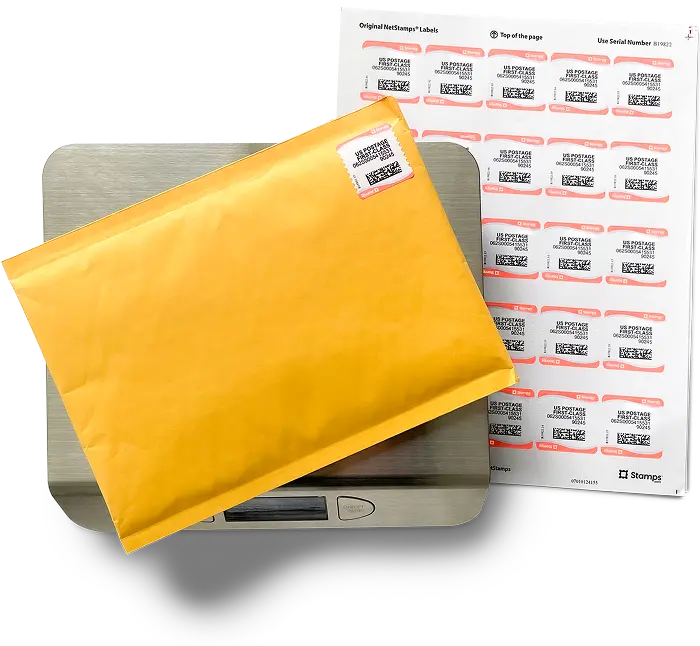
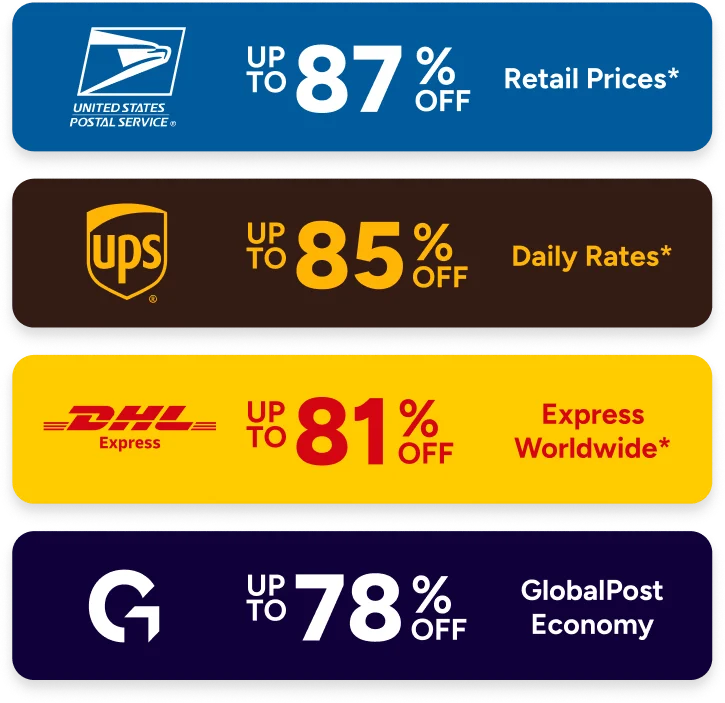
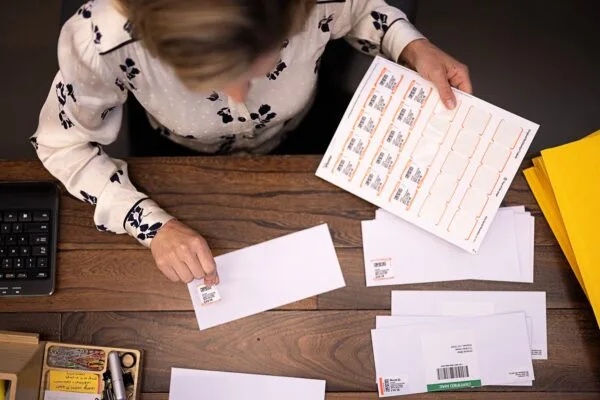
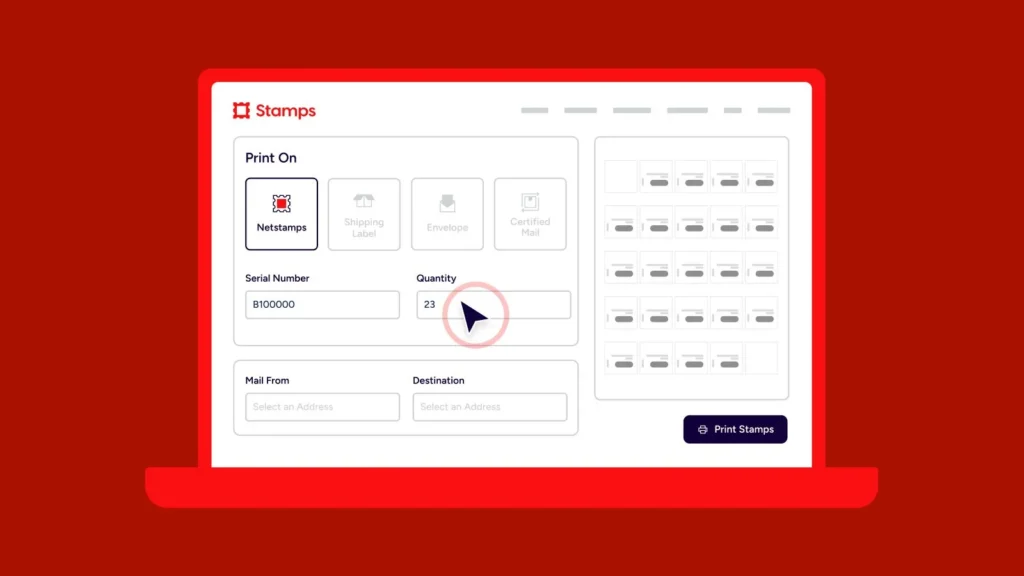
What can change is the process behind professional services mailing. With Stamps.com, firms print postage and labels from their desk, schedule carrier pickups instead of making the trip, and send Certified Mail with automatic tracking and proof of delivery. Discounted rates from USPS and UPS mean the guesswork, and the overpayment, goes away. Cost codes make it simple to allocate postage across clients, properties, or matters. And every piece that goes out gets logged, so "was this sent, and when?" has an immediate answer.
The documents aren't the problem. The process around them is what's costing firms time, money, and peace of mind.
Start mailing smarter with Stamps.com.