


















In most industries, a delayed mailing is an inconvenience. In law, it can be a missed statute of limitations, a failed service of process, or a filing that arrives a day too late to matter. Legal professionals don’t send physical mail by preference or habit. Nearly half do it because the law requires it.
Stamps.com surveyed 500 professional services workers, including legal professionals, to understand how mailing for law firms fits into their workweek. What the data makes clear: this isn’t a background task. It’s a function with real professional consequences—and most firms are handling it through a process that wasn’t built for those stakes.
Legal or regulatory requirements are the top reason legal professionals still rely on physical mail—cited by nearly half of respondents, ahead of client preference, original signatures, and everything else. This isn’t about habit or preference. There is no digital workaround for most of what law firms send.
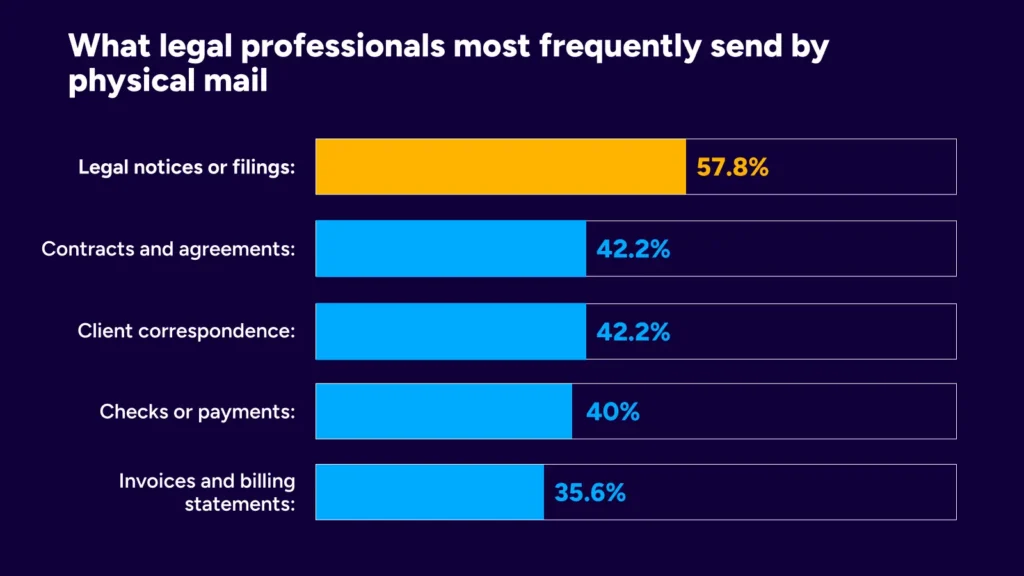
Legal notices and filings top the list—cited by more than half of legal professionals surveyed. Contracts and client correspondence follow closely. Checks and invoices aren’t far behind.
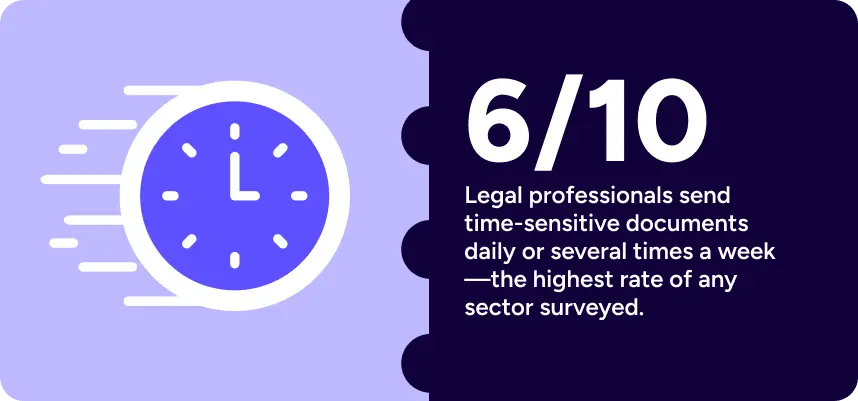
This isn’t an occasional task. Six in 10 legal professionals mail time-sensitive documents with regulatory or legal deadlines daily or several times a week—the highest rate of any professional services sector surveyed.
It has to be served the day it’s filed. If I’m filing at three, I can get something out by the five o’clock mail deadline. I have time to do it all in one day.
Chris Gunarich, Owner, Premier Remote Services LLC
At that frequency, the process matters as much as the intention. A mailing workflow that depends on post office hours, manual postage calculation, and hope isn’t infrastructure. That’s a liability, not a workflow.
Court deadlines don’t move. A post office receipt isn’t proof of service. The mail has to go out—reliably, with documentation, on time—every time.
Not sure how your practice stacks up on admin efficiency overall? This business efficiency quiz is a good place to start.
A mailing delay in accounting is a problem. In real estate, it can derail a transaction. In law, the consequences have their own category: a court filing that missed its window, a notice that couldn’t be proven served, a statute of limitations that expired while a document sat untracked in transit.
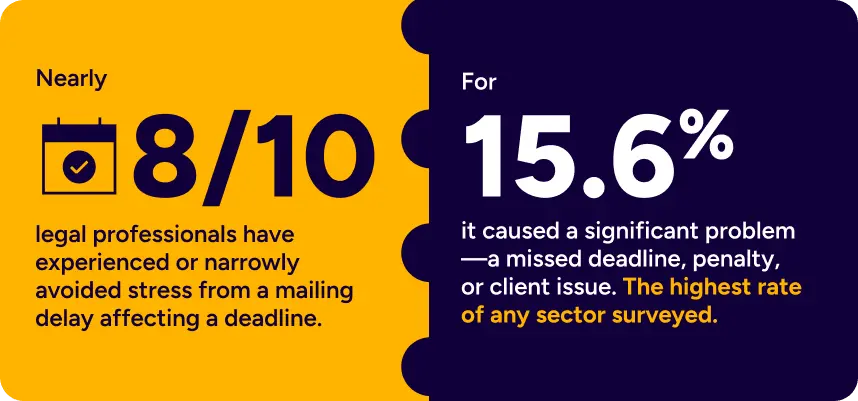
The survey puts numbers on what most legal professionals already know from experience. Nearly 8 in 10 have experienced or narrowly avoided stress from a mailing delay affecting a deadline. For 15.6%—the highest rate of any sector surveyed—it wasn’t a near-miss. It was a missed deadline, a penalty, or a client issue.
Nearly 7 in 10 legal professionals say delivery tracking is very or extremely important to their business. In law, “did this get delivered, and when?” isn’t a rhetorical question. It’s documentation. It’s the difference between proof of service and a motion to dismiss.
And yet for most law firms, the mailing process doesn’t automatically produce that documentation. A trip to the post office, a standard stamp, a receipt that may or may not make it into a file—that’s not a tracking system. It’s a gap with professional consequences.
We as lawyers want to be able to prove that something was sent, tracked, and delivered to this address on a specific date. If the other side says ‘I never got this,’ we need documentation.
Christopher DiSchino, Founding Partner, DiSchino & Schamy, PLLC
Certified Mail fills that gap. Every piece goes out with a tracking number, an electronic delivery record, and proof of arrival. For legal notices, court filings, and time-sensitive correspondence, that record isn’t a convenience—it’s the point.

The regulatory requirements, the court deadlines, the documents that legally have to go by mail—none of that is changing. What can change is the process around them.
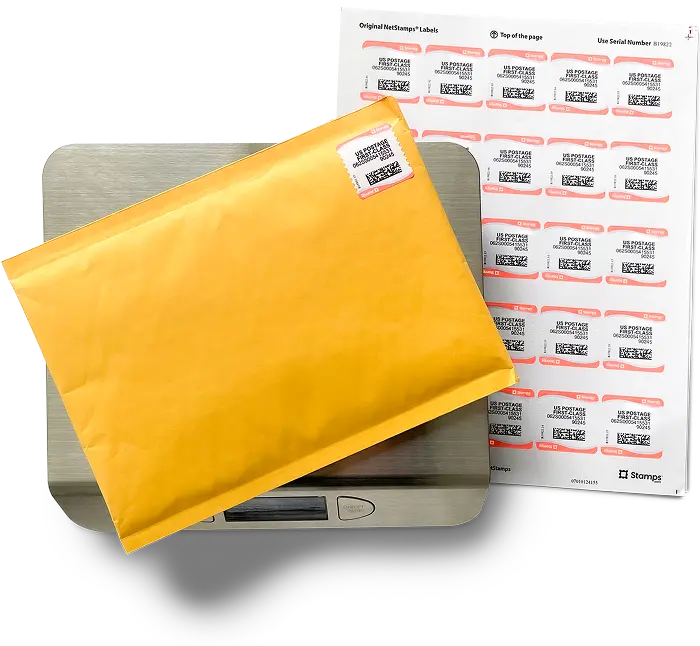
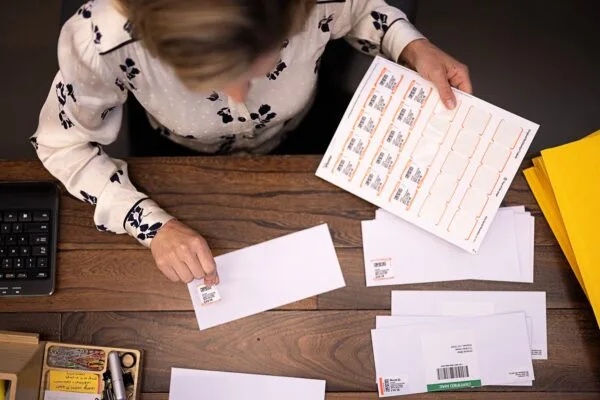
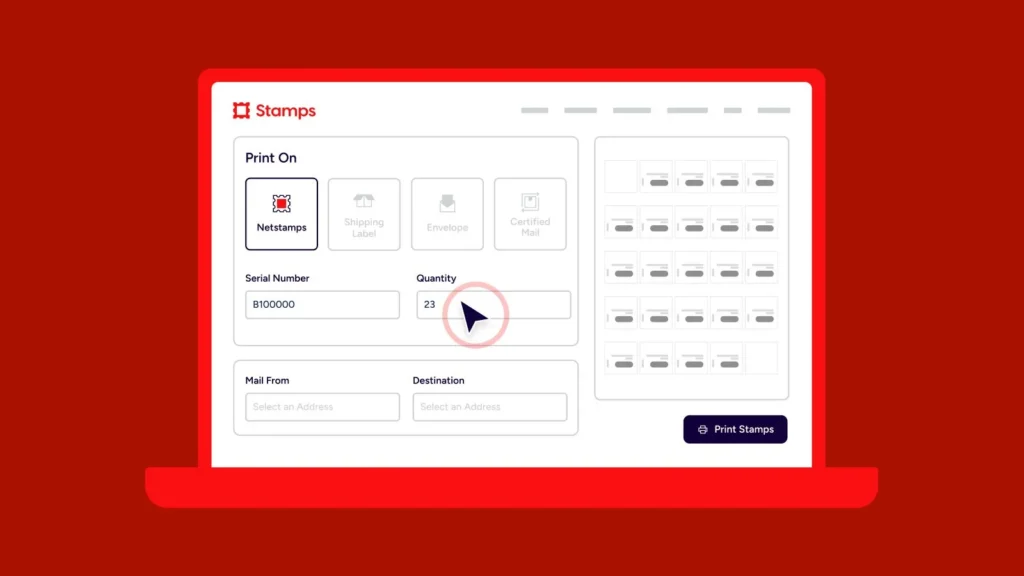
Print postage from your desk. Schedule pickups instead of making the run yourself. Send Certified Mail with automatic tracking and proof of delivery. Access discounted rates from UPS and USPS. Every piece that goes out gets logged with a date, recipient, and tracking number—so when a question comes up about whether something was sent and when, the answer is immediate.
You can’t change what you have to mail. You can change how reliably it gets there.
Start mailing smarter with Stamps.com.