





















You just landed a new client. Another policy, another property, another case. Good news—until you picture everything it takes to actually serve them well.
More clients means more onboarding, more invoicing, more scheduling, more communication, and more documents that have to go out correctly and on time. If your operations barely keep up now, 10 more clients won’t just add work. They’ll expose every crack in how you run things.
Growth doesn’t test your expertise. It tests your operations. Most insurance agencies, law firms, accounting practices, and property management companies don’t lose capacity because they can’t do the work—they lose it because the systems around the work weren’t built to scale. Here’s how to spot the gaps before you say yes to the next client, plus a checklist to run through before you do.
Ask a business owner what’s stopping them from taking on more, and they rarely say “I don’t have the expertise.” They say they don’t have the hours. But the hours rarely go where you’d expect.
Staffing. If every new client still has to pass through your calendar personally—signing off, following up, chasing signatures—you don’t have a growth plan. You have a bottleneck with your name on it.
Systems. Onboarding a client should look the same on the 50th try as it did on the fifth. If every new client means reinventing the process, you’re not scaling. You’re improvising.
Billing and cash flow. Growth is expensive before it’s profitable. If you can’t tell what a client or property actually costs to serve—labor, supplies, postage, everything—you’re growing blind.
Paperwork and compliance. Contracts, renewal notices, court filings, lease documents. Some of it, like eviction notices or subpoenas, has to go out by Certified Mail with proof it arrived. This is often the last thing anyone audits, and the first thing that breaks under volume.
None of these gaps are about skill. They’re about whether the systems around your work can carry more weight than they’re carrying today.
If growth means adding a second office instead of just more clients, these same gaps show up faster and cost more to fix. What Breaks First When Your Business Scales to Multiple Locations breaks down where multi-location operations tend to crack first.
When cash flow is the strain point, cost tracking is often the specific culprit. A property manager running eight buildings needs to know what each property spent on notices, supplies, and postage last month, not guess. An insurance agency billing costs back to specific policies needs the same clarity.
This is easy to postpone. You don’t feel it at 10 clients. You feel it at 40, when a partner asks for a cost breakdown by property and you realize you never built a system to produce one. Assigning costs to a client or property automatically, as they’re incurred, solves this quietly before it becomes a fire drill.
Firms that scale smoothly build ahead of the volume instead of reacting to it. A few patterns show up again and again:
They document their onboarding process, so it doesn’t live only in one person’s head.
They cross-train more than one employee on client-facing systems, so growth doesn’t bottleneck through a single calendar.
They track costs, including labor, supplies, and mail, by client or property, so billing is accurate without reconstruction.
They handle time-sensitive mail, like Certified Mail notices, from the office instead of losing hours to mail trips.
They give more than one person access to the tools they rely on daily, from invoicing software to postage accounts.
We had days where we were mailing hundreds of items. It would not have been possible without Stamps.com unless we added personnel to assist with this process.
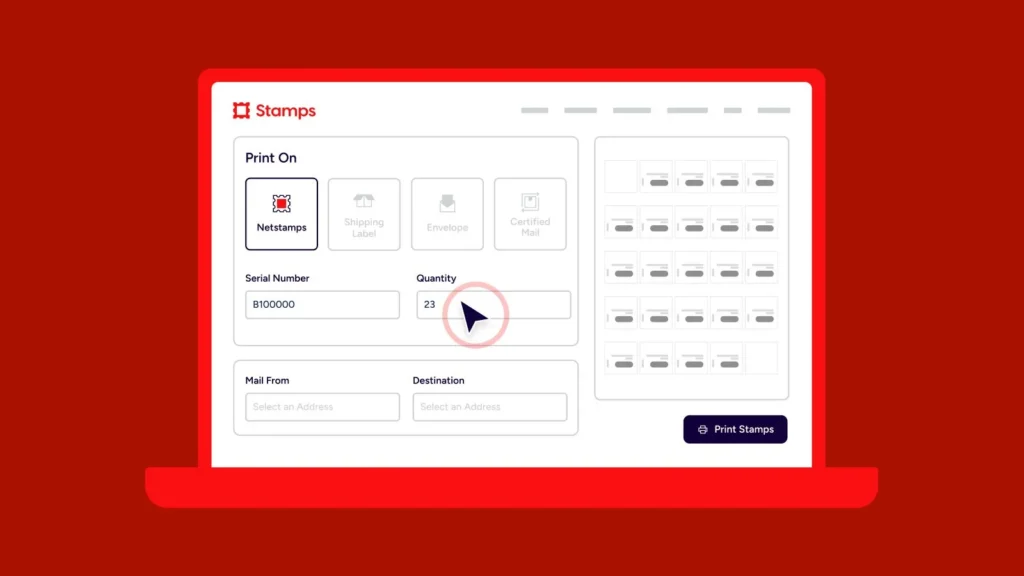
Mail is just one item on this list, but it’s often the one nobody thinks to fix until it’s already a problem. This is where Stamps.com fits: multi-carrier printing, Certified Mail tracking, and cost codes handle the mail side of your operation quietly, so it’s one less system you have to build from scratch.
Run through this before you take on the next client, property, or policy:






If you checked every box, you’re ready. If you didn’t, you know exactly where to start.
The firms that grow smoothly aren’t the ones who work harder when volume increases. They’re the ones who built their staffing, billing, paperwork, and mail systems to absorb more before the growth arrived. Fix that layer first, and the next client is just another client, not another fire drill.
Stamps.com has given me back a lot of my time to focus on other business.
That’s the real payoff of capacity planning. Not just room to grow, but time back to do the work only you can do.
Start mailing smarter with Stamps.com.